Showing posts with label Kangra Paintings. Show all posts

Tuesday, 28 October 2014

The origin of Rajputana Paintings - Kangra School of Art


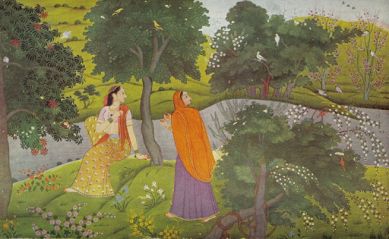
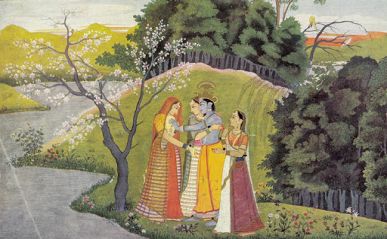
Kangra paintings belong to the school of Pahari paintings that were patronized by the Rajput rulers between the 17th and 19th centuries. This great art originated in a small hill state ‘Guler’ in the Lower Himalayas in the first half of the eighteenth century when a family of Kashmiri painters trained in Mughal Style of painting sought shelter at the court of Raja Dalip Singh (1695-1741) of Guler. 

Kangra paintings is not a folk art, it is essentially aristocratic art, the patrons of which were the rulers of had fine sensibility and good taste, thus like the best of Europe, Kangra painting is the art of elite. This style was copied by the later Mughal painting, many of whom were patronized by the Rajput rulers who ruled various parts of the region. 

The Kangra School became widely popular with the advent of Jayadev's Gita Govinda, of which many extant manuscripts feature exquisite Kangra illustrations. Though the main centre of Kangra paintings are Guler, Basohli, Chamba, Nurpur, Bilaspur and Kangra. Perhaps the most famous, or at least the most prolific school, was that of the Kangra School, from which came an extensive range of delicate and beautifully detailed paintings.

The Gita Govinda is a forest idyll and its Kangra paintings, the drama of loves of Radha and Krishna is played in the forest or along the river bank. In Kangra paintings, there is an art which celebrates life and love. The Kangra artists were hereditary painters who worked in the quiet of their cottages in the sylvan retreats of the Kangra valley. 

The Kangra painters used colors made of vegetable and mineral extracts. Bhagvata Purana and the love poems Gita-Govinda of Jaidev were the most popular subjects dealing with the legends and the amorous plays of Radha and Krishna symbolizing soul’s devotion to God. Kangra painting presents a pure melody of flowing lines and glowing colors, breathing out a sense of space, tranquillity and poetic sentiment. Kangra paintings depict the feminine charm in a very graceful manner. 

In the paintings of the Sat Sai the background of the architecture provides the setting for the love drama of Radha and Krishna. Bhakti cult was the driving force and the love story of Radha and Krishna was the main source of spiritual experience, which was also the base for the visual expression. Kangra paintings were influenced by the Bhagavad Purana.
Friday, 6 May 2011

Kangra minitature paintings appreciation course

The Kangra Arts Promotion Society and Voice of Himachal will be conducting an Arts Appreciation Course focusing on the Kangra school of paintings. The 3 day certificate course aims to introduce the participants to Kangra miniature art and take them through the evolution of this magnificent art form.
The course will cover:
  • History of Kangra miniature paintings
  • Famous works of the master Kangra artists
  • Basic themes of Kangra paintings
  • Fundamentals of Kangra art-colour mixing, brushes, how to make the basic lines, etc
  • Key elements that differentiate Kangra art from other art-special paper, colours, thematic styles, etc
  • Making Kangra miniature paintings
  • Exhibition of Kangra paintings for the duration of the course
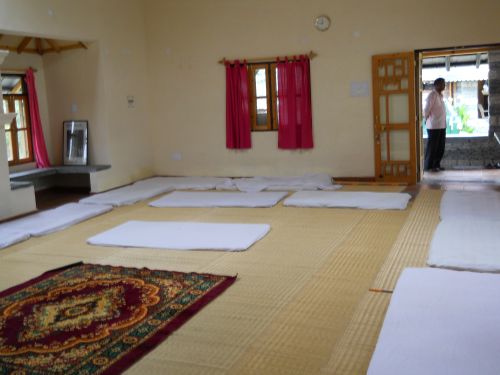
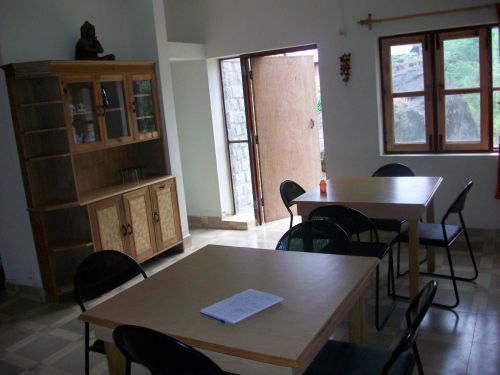
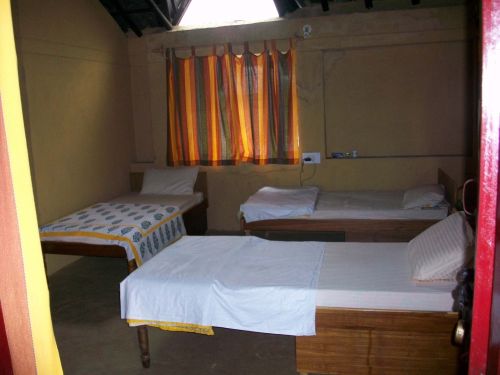
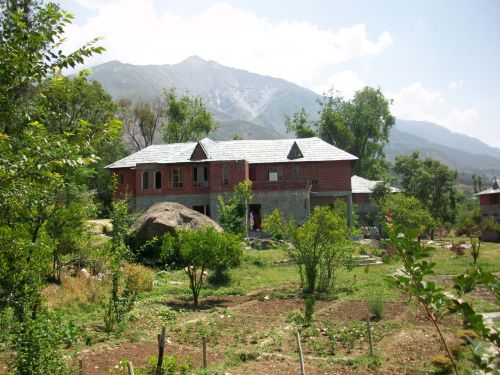
The course is being organised in a beautifully located campus, 6 kms from Dharamshala town. The campus offers all modern amenities to the participants including a training hall, cottages and a well equipped dinning hall. The course will be structured in a manner that participants will get ample opportunity to learn the art as well as visit places of interest in and around Dharamshala. Spread over 3 days the course will come as a welcome respite to people looking forward to an escape from the heat during this great Indian summer.
Date: 24th June to 26th June
No. of participants: 15
Venue: Jagori Campus at Sidhbari
Address:
VPO Rakkar Sidhbari
Tehesil Dharmsala, District Kangra
Himachal Pradesh 176057
Facilities Provided:
  • Accommodation at Jagori campus in Sidhbari, for 3 days (24th, 25th and 26th) and 3 nights (23rd, 24th and 25th) (residential)
  • 2 seater and 3 seater rooms available (residential)
  • Breakfast, lunch, dinner and snacks through the 3 days (for non residential participants only lunch and snacks will be provided)
  • Materials and other art resources for the course (provided for residential and non residential participants)
Fee:
Rs 4500/- (Non residential)
Rs 5500/- (Residential)
This fee is not inclusive of transport arrangements


Participants will have an opportunity to meet and interact with the famous Kangra master artist Mr. Vijay Sharma. Mr Vijay Sharma is a distinguished art critic and has written the first-ever Hindi book tracing the history, expansion and other aspects of Kangra paintings, titled ‘Kangra Ki Chitrankan Parampara’. He received the National Award in 1990.
The master artists Mr. Dhani Ram and Mr. Mukesh Kumar will conduct the workshop and take participants through the intricacies of Kangra paintings. Mr Dhani Ram trains the students at the Chitera School of Art, conducting classes at the Kangra Art Museum while Mr Mukesh conducts his advanced classes at the Chamunda Devi temple.
Dr. Gautam Vyathit, is a renowned authority on folk arts and culture. Mr B.K. Agarwal, the President of KAPS, currently the Principal Resident Commissioner of the State of Himachal Pradesh in Delhi will also share his experiences and thoughts on the miniature art forms.
Registration
To register for the course send us an email at paharikala@kangraarts.org with your Name, Address, Contact numbers. The participation will be confirmed only after the receipt of the registration fee.
Payment Process:
Cheque / DD for the fee amount may be made in the name of “Voice of Himachal” and sent to:
Voice of Himachal
49, Civil Lines,
Dharamshala,
Himachal Pradesh-176 215
Online Bank Transfer may also be made to:
Voice of Himachal
Account No: 05241450000128
Bank: HDFC
Branch: The Mall, Shimla
IFSC Code: HDFC0000524
For further details, contact: Mr. Varun Singh
Mobile No. : +91 98055 10111
Email ID: varun.ratan@himvani.com

Monday, 17 May 2010

नायिका के रूप

यूं तो स्त्रियों के चार भेद किये गए हैं : पद्दमिनी, चित्रानी, शंखिनी और हस्तिनी| परन्तु कामसूत्र में व्यवाहिक कन्या पार्दाषिक तथा वैशिक प्रकरणों में नायिका भेद का विस्तार से वर्णन किया गया है और काव्यशास्त्र नें इन्सी वर्गीकरण को अपनी स्वीकृति भी दी है| और वहीँ अधिकतर चित्र भी इसी भेद पर आधारित हैं| वात्सयायान कामसूत्र के अनुसार नायिका के तीन भेद किये गए हैं :

स्वकीया
: स्वकीया नायक की पत्नी होती है अत: इसमें किसी भी तरह का सामाजिक संकोच नहीं होता| श्रृंगार व कायाशास्त्रों में "स्वकीया" नायिका को सर्वोच्च स्थान दिया गया है और इसे 'ज्येष्ठ' नायिका बी कहा जाता है| स्वकीया नायिका के तीन रूप मिलते हैं : मुग्धा, मध्या और प्रौढ़ा|
  1. मुग्धा : मुग्धा या तो नवविवाहिता होती है या फिर वो पतनी अपने पति के स्वाभाव से परिचि होती है| मुग्धा अपने यौवन के शीर्ष पर होती है|
  2. मध्या: मध्य पति सुख की अभिलाषी होती है जिसे बिहारी नें कुछ इस तरह चरितार्थ किया है : धीर, अधीर और धीराधीरा|
  3. प्रौढ़ा : प्रौढ़ा एक अनुभवी स्त्री है और वह अपने पति से खुल कर बात कर सकती है| यही नहीं यदि ज़रूरत पड़े तो वह अपने पति को लताड़ भी सकती है| प्रौढ़ा को  दो वर्गों में बांटा गया है : ज्येष्ठा और निष्ठा|
परकीया : परकीया नायिका में कामोतेजना सबसे अधिक होती है परन्तु इसे लोक और समाज का भय बी अधिक होता है| परकीय नायिका को कनिष्ठा भी कहा जात है और यह दो प्रकार की होती हैं: कन्या और प्रौढ़ा| परकीया के प्रेम में तीव्रता और आकर्षण अधिक होता है और इसकी निम्न अवस्थाएं हैं :
  1. गुप्ता : यह नायिका अपने प्रेम भाव को सखियों पर प्रकट नहीं होने देती|
  2. विदग्धा: इसके प्रेम को केवल नायक ही समझ सकता है|
  3. लक्षित: यह प्रेम व्यापार को नहीं छुपाती|
  4. कुलता: कुलता वह नायिका है जो किसी भी नायक से प्रेम करने लगाती है| उसे पंशुचाली भी कहा जाता है|
  5. अनुशयाना: जो प्रियतम गमन ना हो सकने पर पश्ताचाप कराती है|
  6. मुदिता: जो सम्भोग सुख की संभावना से प्रसन्नता प्राप्त करती है|
साधारणी : साधारणी लोक लज्जा के बंधनों से मुक्त होती है और इसे वैश्या भी कहते हैं| इसे परित्यक भी कहा गया है अत: काव्य मनीषियों नें स्वकीया व् परकीया प्रेम को ही अपना केंद्र बिंदु बनाया है|

Friday, 14 May 2010

नायिका छवी

सौंदर्य की अभिव्यक्ति नारी के माध्यम से की गयी है| सौंदर्य, दर्शन की कला का उद्देश्य होता है| काव्य नाटक और कामशास्त्र के रचिताओं नें नारी के विविध रूपों, अवस्थाओं, मनोसषाओं तथा स्वभावों का बड़ा ही सहज वर्णन प्रस्तुत किया है| नारी के इसी अध्ययन को "नारी भेद" कहा जाता है| मध्ययुगीय कामशास्त्र, नाटयशास्त्र तथा साहित्यशास्त्र के आचार्यों नें अपने-अपने ग्रंथों में नायिकाओं के वर्णों की कल्पना की है| कामशास्त्र की नायिकाओं के वर्गीकरण का मूलाधार सम्भोग श्रींगार रहा है तो नाट्यशास्त्र का आधार अभिनेताओं से प्रेरित है और साहित्य शास्त्रकारों नें नायिकाओं का वर्गीकरण तथा विश्लेषण उनके द्वारा श्रींगार विकास के उद्देश्य से किया है|
        नायिका भेद पर संस्कृत के बाद हिंदी साहित्य में केशव, बिहारी व भातिराम आदि कवियों एवं आचार्यों नें लेखनी चलाई है| इन्ही के काव्यों नें राजस्थानी व पहाड़ी तूलिकाओं में यौवन भरा है| राजस्थानी एवं पहाड़ी चित्रों के विषयों में पूर्ण विविध्ता है लेकिन कृष्ण लीला एवं नायक-नायिका चित्रों नें राजपूत कलम को मृदुता प्रदान की है| नायक-नायिकाओं को चित्रकारों नें राधा-कृष्ण रूप में ही चित्रित किया है क्योंकि आदर्श प्रेमी व प्रेमिका का निर्वाह उन्ही के द्वारा ही संभव था|

अंजना सकलानी

Re-Discover Himachal